Mastering the Slabs: Why Traditional Methods Fail Large Porcelain
Mastering the Slabs: Why Traditional Methods Fail Large Porcelain
In the luxury real estate market of Saudi Arabia, 3-meter porcelain slabs are the new standard. However, installing these "Super Formats" using traditional methods is a critical mistake. The sheer surface area means that thermal expansion is magnified, and any minor air pocket underneath becomes a structural "hollow point" prone to shattering under pressure.
The Critical Errors That Lead to Failure
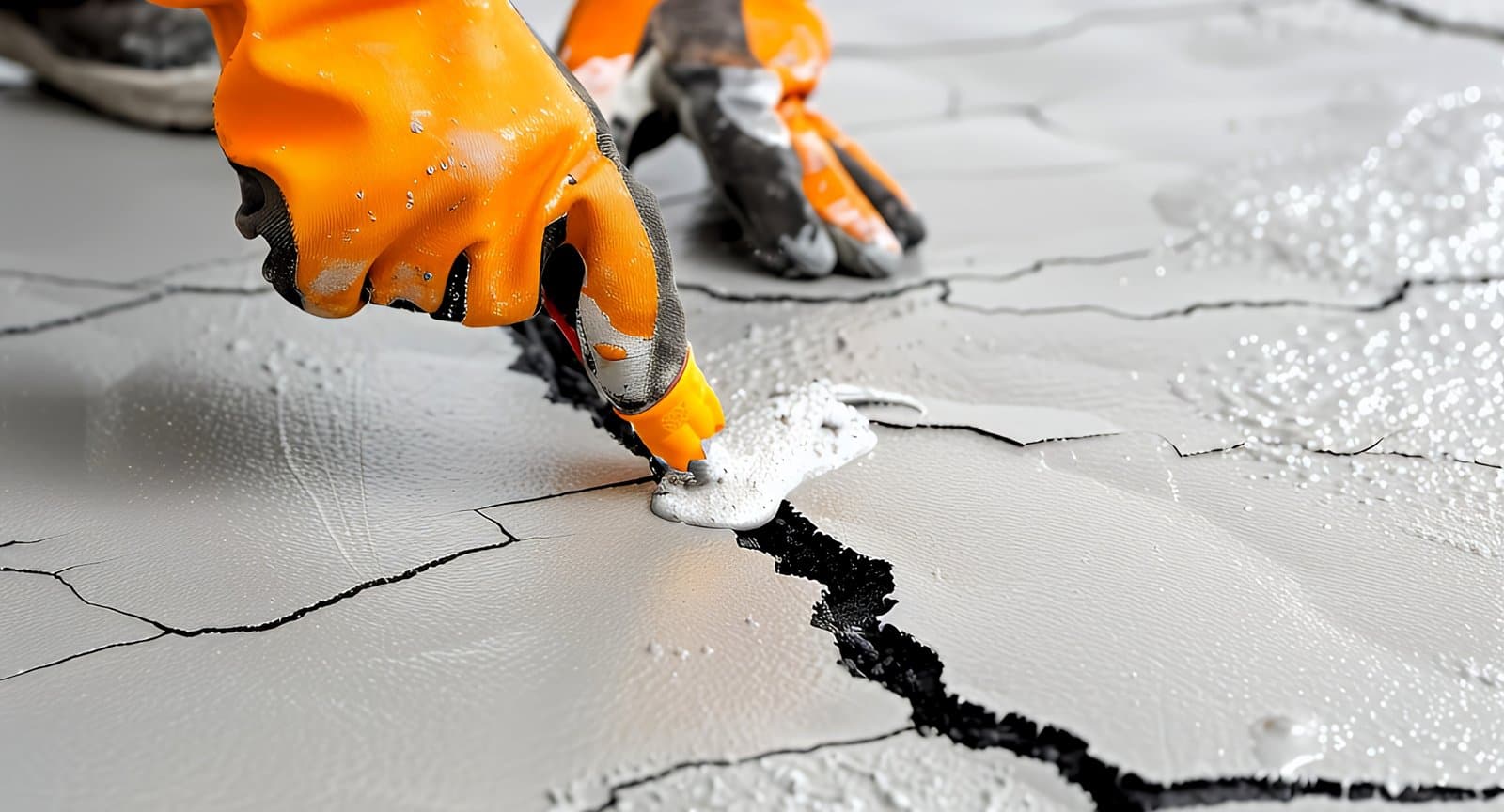
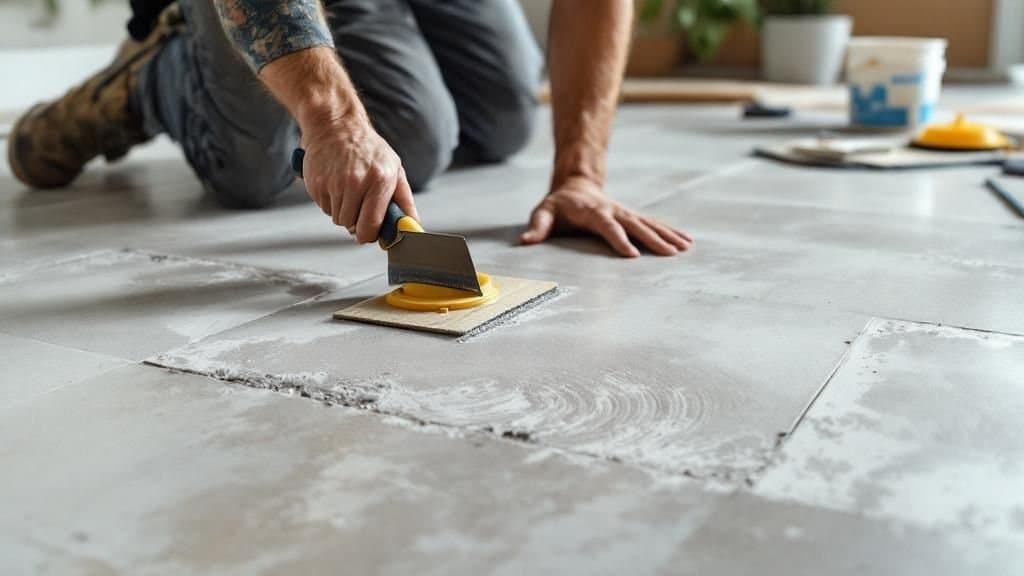
1. Spot Bonding (The "Dab" Method) Applying "dollops" of adhesive on the corners and center leaves massive air voids. Under the heavy foot traffic of a commercial mall or even a residential villa, these voids cause the tile to crack. BSCO solution: Always use a full-bed coverage with a notched trowel.
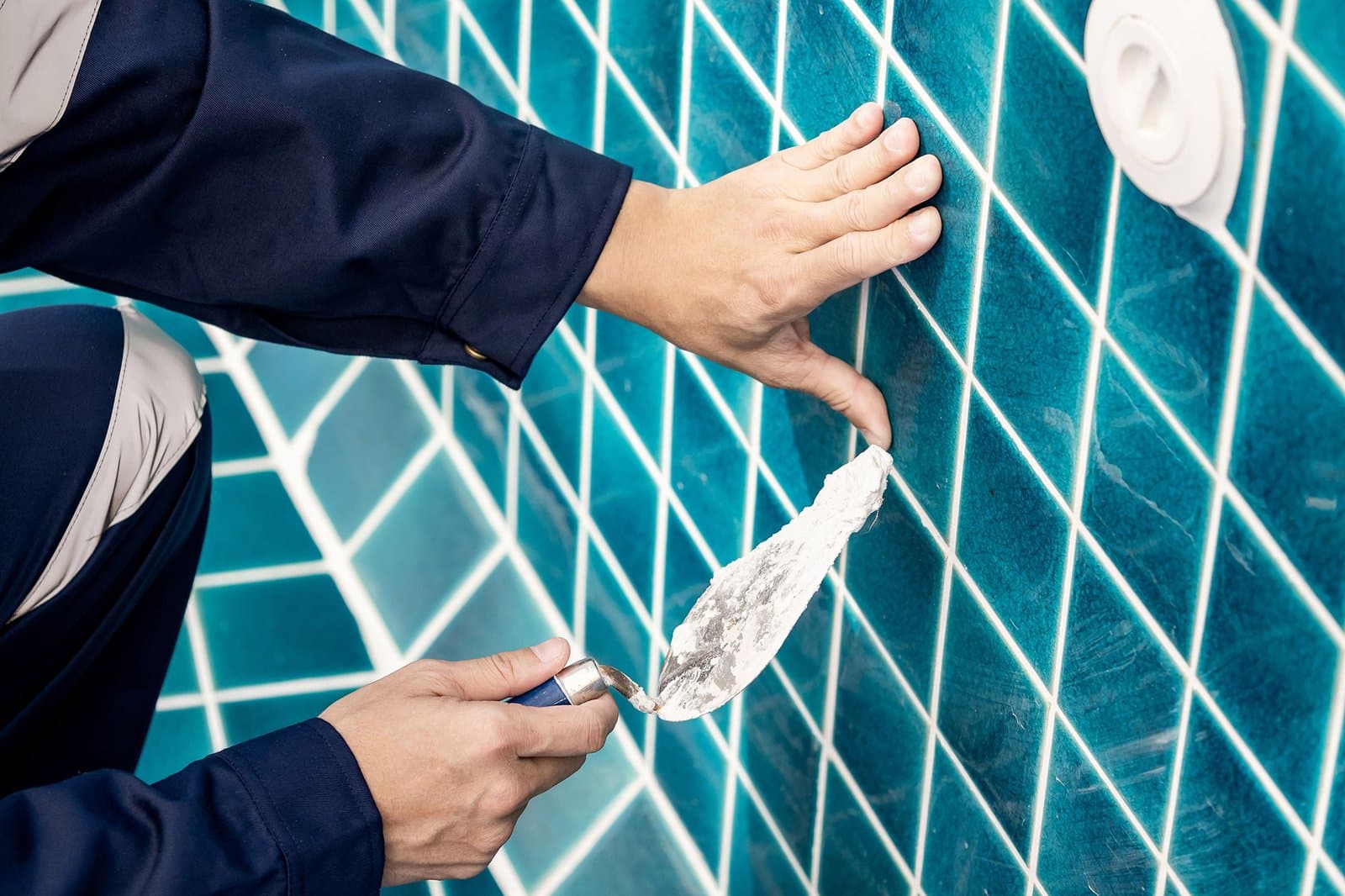
2. Neglecting the "Back-Buttering" Technique For slabs, applying adhesive only to the floor is insufficient. To achieve the 95-100% coverage required by international standards, you must apply a thin layer of adhesive to the back of the tile itself.
3. Using Rigid Adhesives (C1 or Basic C2) Large slabs expand and contract. If your adhesive doesn't have "Flex," the slab will buckle or snap. In the Saudi climate, where floor temperatures can fluctuate significantly, a BSCO S2 (Highly Deformable) adhesive is the only way to absorb this movement safely.
Professional Tools for Professional Results
You cannot install slabs with manual guesswork. BSCO recommends the use of:
- Vibration Tools: To collapse the adhesive ridges and remove air.
- Leveling Systems: To ensure zero "lippage" (uneven edges).
- Suction Frames: For safe handling and precise placement.