Best Adhesive for Porcelain and Large Tiles
The Engineering Behind Large Format Porcelain Installation
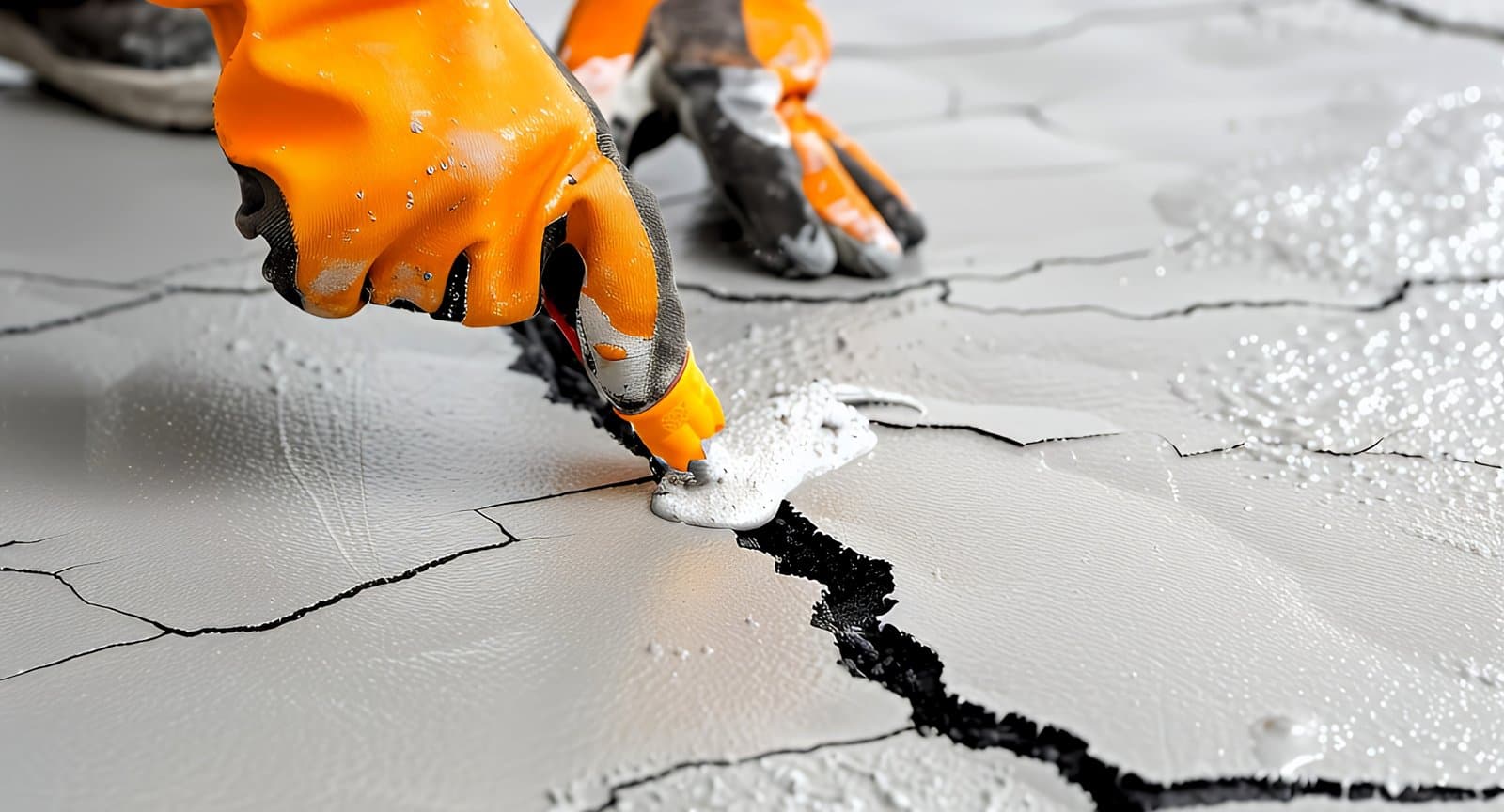
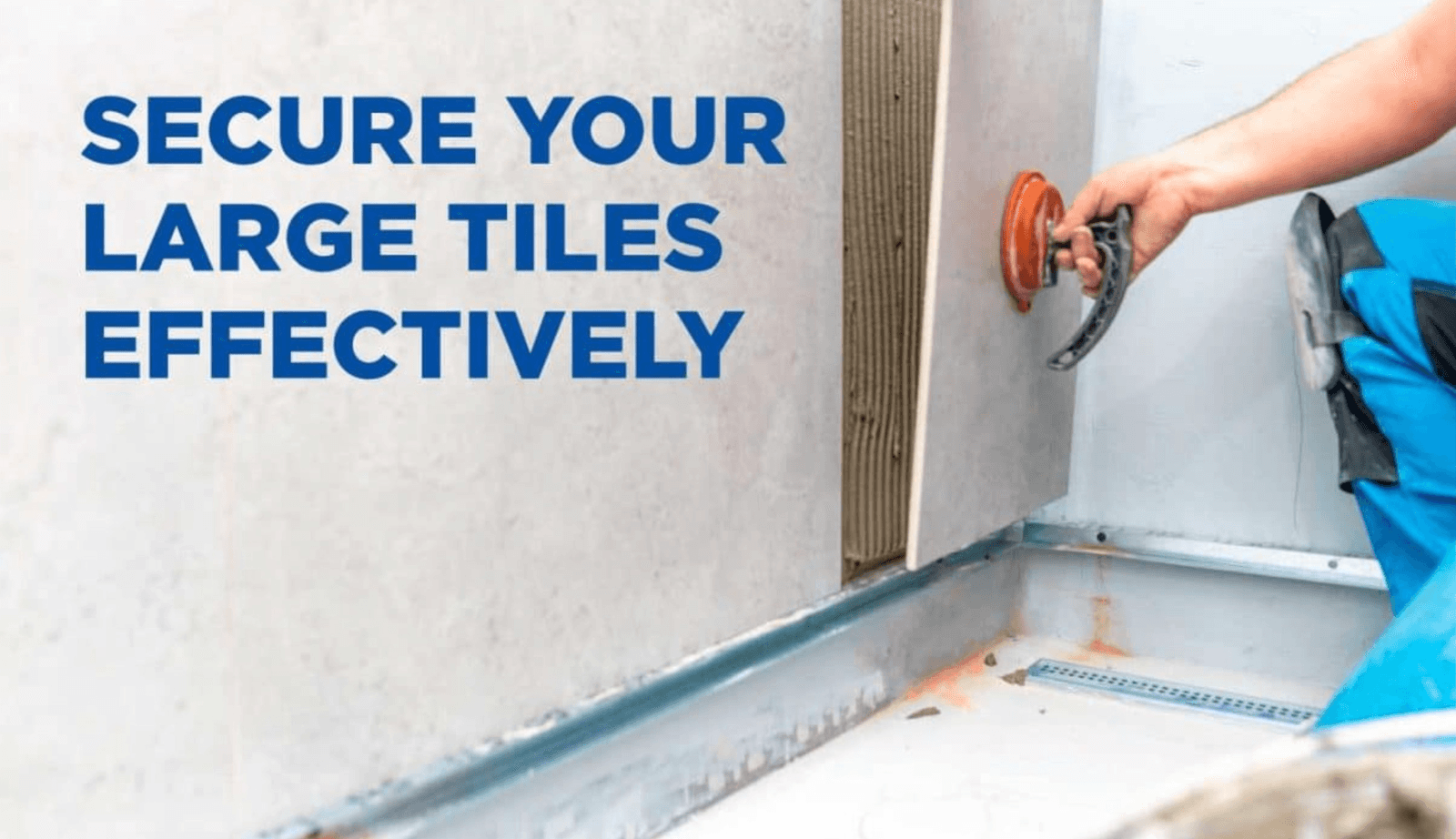
In modern Saudi architecture, the trend toward massive porcelain slabs (up to 300cm) is undeniable. However, these "Super Formats" bring a specific engineering challenge: they have near-zero porosity. Traditional cement-sand mortars or low-grade C1 adhesives cannot "bite" into the surface, leading to catastrophic debonding.
Why Porcelain Requires Specialized Adhesives
Porcelain is fired at much higher temperatures than ceramic, making it incredibly dense. To bond it successfully, an adhesive must utilize chemical adhesion rather than just mechanical anchoring.
- The Weight Factor: Large tiles exert significant shear stress on wall substrates.
- Thermal Expansion: Large slabs expand more than small tiles. In regions like Neom or Riyadh, where temperature swings are drastic, the adhesive must act as a shock absorber.
The BSCO Standard: C2TE S1 and S2
For porcelain larger than 60x60cm, we recommend nothing less than a C2TE S1 classification.
- C2: High bond strength (>1.0 $N/mm^2$).
- T: No vertical slip for heavy wall slabs.
- S1: Flexibility to handle the thermal expansion of the Saudi sun.
Application Mastery: The Back-Buttering Technique
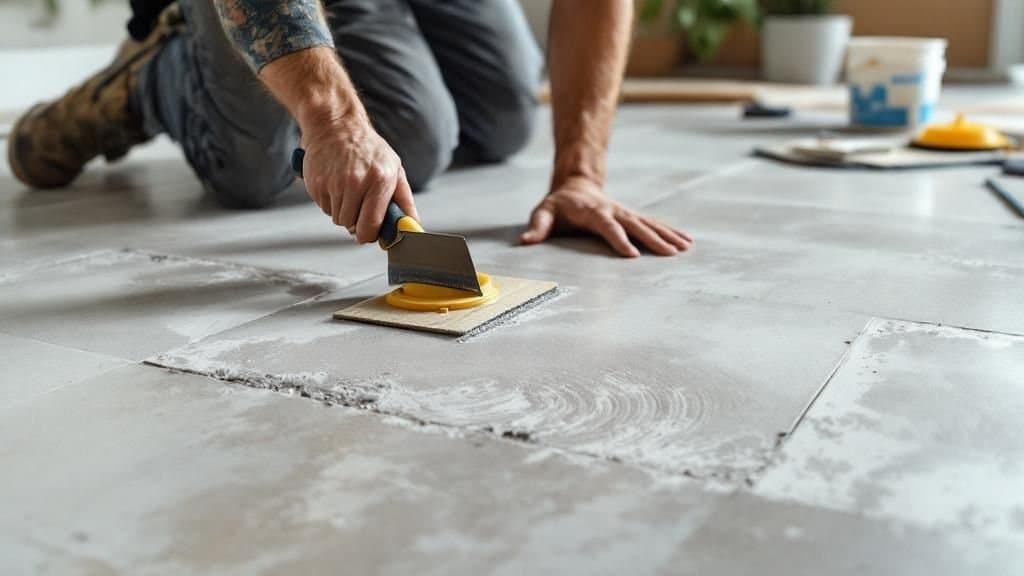
Even the best BSCO adhesive will fail if applied incorrectly. For large tiles, "back-buttering" (applying adhesive to both the substrate and the back of the tile) is mandatory to ensure 100% coverage and eliminate air pockets that cause cracking under pressure.